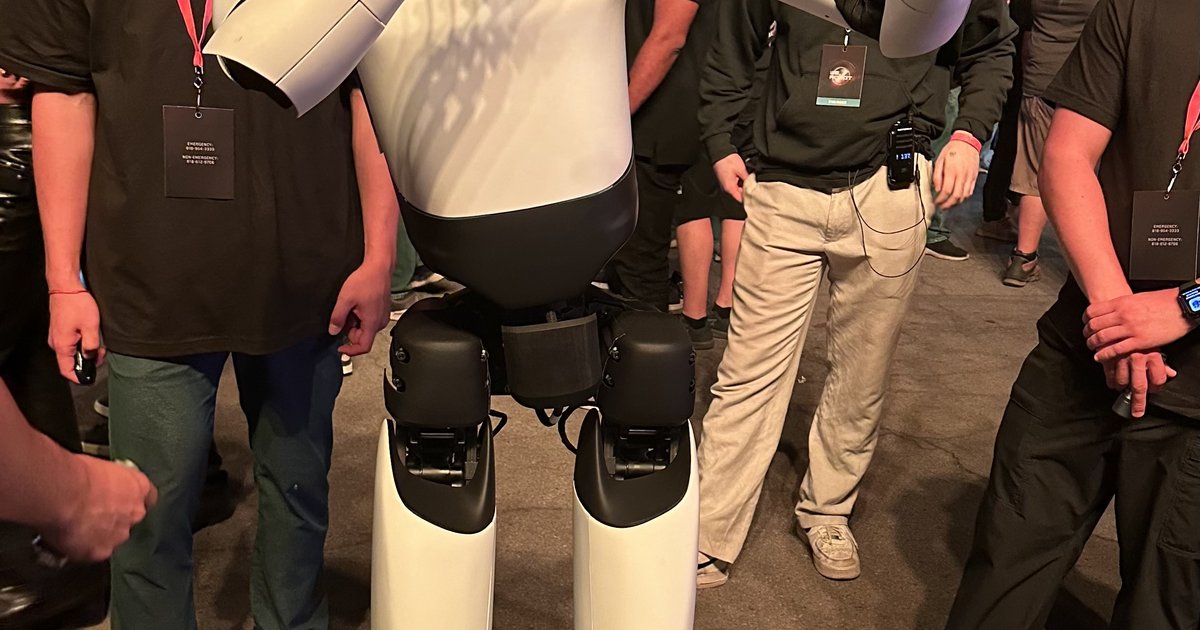
Tesla's Samsung 2nm Bet: the Robot Gets the Chip Before the Car
Tesla locked in Samsung's 2nm node for its AI5 chip — and Optimus gets it before any car does. Q4 2026 engineering samples, 2027 volume production. The stock is down 12 percent year to date. Earnings are six trading days away. The robot is the story.
Tesla just locked in Samsung's 2nm node for its AI5 chip, and the first thing that will run on it is not a car. It is a robot.
The AI5 chip has completed Samsung's 2nm tape-out at the Taylor, Texas fab, following a Samsung Foundry engineer disclosure on July 14. Engineering samples are expected by Q4 2026, with volume production in 2027. The chip goes to Optimus — Tesla's humanoid robot program — before it goes into any vehicle in the Tesla fleet. That sequencing tells you where Tesla thinks the revenue growth is, and it is not in a Model Y (TechTimes, July 14).
The market has not priced this in. Tesla stock is down roughly 12 percent year to date, sitting well below where it began 2026. Options activity heading into the July 22 earnings print suggests the market expects a significant move — though without an options chain feed, the exact implied move is hard to pin down. What is clear is that the setup is asymmetric: a stock that has underperformed all year, with a catalyst six trading days away, and a chip program that could shift the narrative from "overvalued car company" to "AI and robotics platform."
Barclays raised its Tesla price target from $360 to $370 on July 14, maintaining an equal-weight rating — which, for a bank that covers Tesla, is the analytical equivalent of saying "we don't hate this but we're not going to be the ones buying it." The $370 target implies roughly 6 percent downside from recent levels, which is not a screaming sell signal. It is a "show us the margins" signal (Ticker Report, July 14).
The margin question is the only question that matters on July 22. Tesla delivered 480,126 vehicles in Q2 — a number that beat consensus — but the debate is whether those deliveries came at the cost of price cuts that compressed automotive gross margin below the 15 percent line. The new guaranteed future value program, announced July 14, is a direct response to the depreciation fears that have followed Tesla's aggressive price cuts over the last two years. The program, launched through Driva in Australia, locks in a preset resale price for buyers financing a new Model Y or Model 3 — which is good for demand but potentially expensive for Tesla's balance sheet if residual values fall below the guarantee (Electrek, July 14).
The Samsung 2nm decision is the story underneath the story. The assumption had been that Samsung's gate-all-around node — the most advanced process in the foundry's roadmap — would debut with Tesla's AI6 chip, not AI5. The fact that AI5 has already completed tape-out means the timeline accelerated. Engineering samples in Q4 2026 means Tesla could have functional Optimus units running on custom 2nm silicon within six months. Volume production in 2027 means the robot program is not a science project — it is a product line with a chip supply chain.
The competitive read is that Tesla is building its own silicon stack — custom chips, custom software, custom robot — rather than buying from Nvidia. Morgan Stanley noted on July 14 that a competitor chipmaker "remains a core AI winner and a close number two behind NVDA," which is the sell-side version of acknowledging that the AI silicon market is becoming a two-horse race. Tesla is not in that horse race yet, but the Samsung 2nm tape-out says it is entering the track.
The technical read on the stock is thin — data feeds rate-limited on July 14 — but the setup heading into earnings is clear: an underperforming stock, a robot chip that just hit a milestone, a GFV program designed to stabilize demand, and six trading days before the print. Barclays says $370. The options market says something bigger is coming. The robot says it wants its chip first.