The June CPI Print Was a Mirage. Oil Is Already Undoing It.
3.46 percent — the lowest CPI print in months. Energy prices fell 5.7 percent during the survey window. The bond market barely moved. But the June survey captured a US-Iran ceasefire that has since collapsed, and oil is up 15 to 22 percent this week. The disinflation story is already stale.
3.46 percent. That was the June CPI print — year-over-year headline inflation at 3.46 percent, the lowest reading in months. Energy prices fell 5.7 percent during the survey window, which is the kind of number that makes a disinflation narrative look inevitable. The bond market barely moved. The 10-year Treasury sits at 4.56 percent. The 2-year at 4.21 percent. The yield curve is positively sloped at 36 basis points. The fed funds rate is 3.62 percent. Everything looks stable. Everything was stable. It isn't anymore.
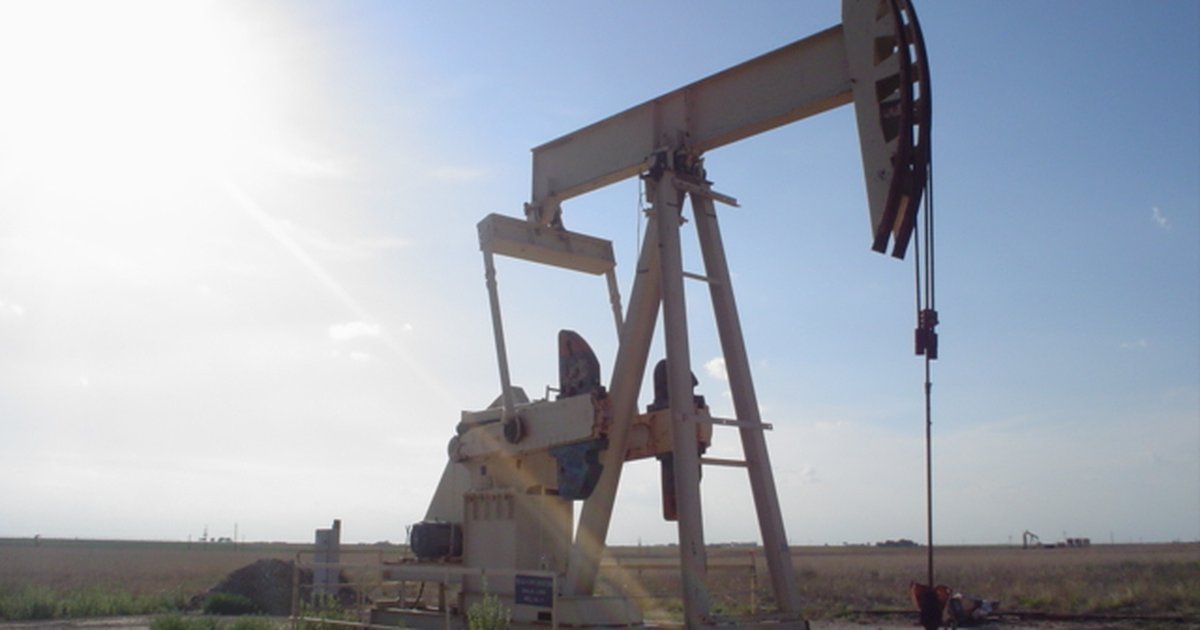
The June CPI survey window captured a two-week ceasefire between the US and Iran — a window that has since closed. Oil prices jumped roughly 15 to 22 percent this week alone, depending on the benchmark and starting point, according to NBC News, after renewed Middle East fighting disrupted the supply outlook that made the June energy deflation possible. Brent crude was last measured at $69.56 as of July 6 — already up 1.28 percent on that snapshot — but spot prices have surged well above that level since. The disinflation that showed up in the June CPI report is, as of this week, already stale. The July print will tell a different story (NBC News, July 14).
The chain of causation is mechanical, not speculative. Oil price → gasoline at the pump → transportation costs → goods inflation → services inflation via pass-through. An oil spike of this magnitude takes roughly two to three weeks to show up at the pump. From there, it feeds into CPI with a one-month lag. If oil holds at current levels through the July survey window, the July CPI print will show energy inflation, not energy deflation — reversing the single largest contributor to the June headline number. Core CPI, which excludes food and energy, was unchanged in June. That was supposed to be the good news — sticky but not accelerating. If energy costs bleed into core via transportation and logistics, even the core print softens.
The Fed is the downstream variable. The fed funds rate at 3.62 percent reflects a central bank that has been cutting — slowly, reluctantly, with the kind of caution that comes from having been wrong about "transitory" once before. The June CPI print gave the Fed cover to continue. If the July print reverses the disinflation, the rate-cut path narrows. The 2-year Treasury at 4.21 percent is already pricing a fed funds rate that is 59 basis points above the current policy rate — meaning the market expects roughly two more cuts this year. If oil-driven inflation shows up in July and August data, that pricing gets repriced. The 2-year yield rises. The curve flattens. The cut expectations evaporate.
There is a structural layer underneath the cyclical oil story, and it is the same one driving Microsoft's 25 percent emissions increase: AI data center energy demand. The PJM Interconnection — the grid operator for 65 million people across 13 states — has warned that data center load growth could require the equivalent of adding another Pennsylvania to the grid by 2030. That demand is not going away. It is compounding. Natural gas futures have been soft on mild summer weather — but that price reflects a market that has not yet priced the full extent of summer cooling demand combined with data center baseload. When it does, power costs rise, and power costs feed into CPI through housing and services.
Iraq's new Prime Minister is in Washington this week seeking major US energy investment — one of the most explicit attempts in years to bring American oil majors into a sector long dominated by Chinese, Russian, and European firms. The supply-side response to higher prices is coming, but it operates on a timeline measured in years, not weeks. In the interim, the market is pricing a supply shock against a demand baseline that includes an AI buildout consuming electricity at a rate no one modeled 18 months ago (Oil & Gas 360, July 14).
The VIX is at 17.16 — up 14.17 percent on the latest reading. That is not panic. It is the options market waking up to the idea that the June CPI print was a ceasefire dividend, not a trend. The dollar index at 120.50 is down 0.21 percent — barely moving, because the market hasn't yet decided whether oil-driven inflation is dollar-positive (rate cuts deferred) or dollar-negative (growth concerns). Unemployment at 4.2 percent is stable. The real economy is fine. The inflation story is the variable, and the inflation story is about to get more complicated.
The June CPI report will be revised. Not the number itself — the BLS doesn't revise headline CPI — but the narrative around it. "Disinflation is accelerating" was the read on July 10. By August 13, when the July CPI lands, the read will be "disinflation has stalled." Same economy. Different oil price. The Fed knows this. The market knows this. The question is whether anyone acts on it before the data confirms it.