Venezuela's Earthquake Death Toll Passes 4,490 as Disease Threatens the Living
Three weeks after twin magnitude-7+ quakes devastated north-central Venezuela, bodies are still being pulled from the rubble. Now PAHO warns that overcrowded shelters, collapsed water systems, and failing vaccination coverage could claim more lives than the tremors themselves.
Three weeks after twin magnitude-7+ quakes devastated north-central Venezuela, bodies are still being pulled from the rubble. Now PAHO warns that overcrowded shelters, collapsed water systems, and failing vaccination coverage could claim more lives than the tremors themselves.
Editor's note: The death toll has risen steadily since June 24 — from 32 on day one to 4,490 by July 14. The figure of ~50,000 missing/unaccounted for originates from UN and NGO estimates (IRC, Save the Children) dating to late June/early July; the current number of unaccounted may be lower but no updated official count has been published. The injured count was 16,740 as of July 6 and may have increased since.
The death toll from Venezuela's twin earthquakes has climbed past 4,490, authorities confirmed on July 14, as the Pan American Health Organization warned that disease outbreaks now pose the greatest threat to tens of thousands of survivors living in overcrowded shelters without reliable access to clean water Reuters, Jul 14; CCTV, Jul 14.
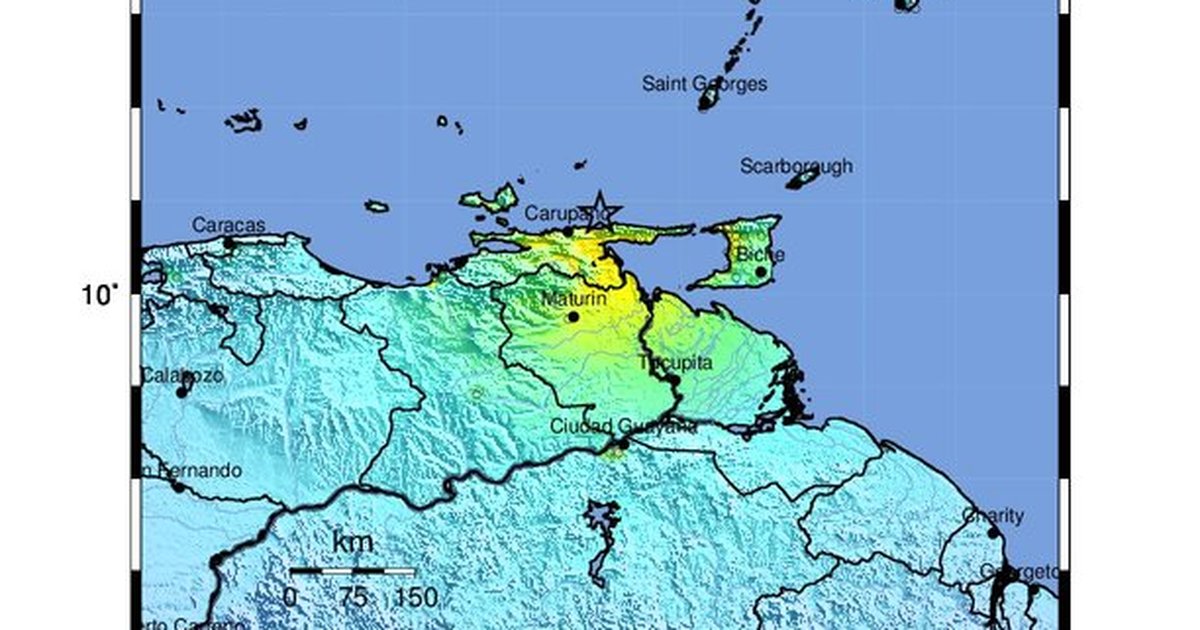
The two earthquakes — a magnitude 7.2 foreshock followed 39 seconds later by a magnitude 7.5 mainshock — struck north-central Venezuela near Yumare, Yaracuy State, on June 24 at 6:04 p.m. local time. The USGS places the epicenter approximately 28 km southeast of Yumare, near the Yaracuy-Carabobo border. The stronger quake was the most powerful to hit Venezuela in more than a century USGS via Miyamoto International; NYT, Jun 24; Wikipedia. The United Nations Development Programme estimates $6.7 billion in direct physical damage — roughly 6% of Venezuela's GDP UNDP via Miyamoto International.
Rising Toll, Fading Hope
The toll has climbed relentlessly: 32 on June 24, 2,295 by July 1, 3,342 by July 5, 3,535 by July 6, 3,889 by July 9, and now 4,490 Reuters, Jul 6; Al Jazeera, Jul 9. At least 16,740 people have been injured and 17,907 left homeless, with 12,800 people staying in 80 shelters across Caracas and La Guaira, the coastal region hit hardest Reuters, Jul 14; Al Jazeera, Jul 7.
The International Rescue Committee and Save the Children estimated in late June that approximately 50,000 people remained missing or unaccounted for IRC, Jun 27; Save the Children, Jun 29. Citizen-led tracking registries known as Páginas Ciudadanas have documented more than 43,000 unresolved cases Honolulu Star-Advertiser, Jul 1. Al Jazeera, reporting from La Guaira, described families searching rubble with bare hands and sleeping in the streets Al Jazeera, Jul 9. The IRC warned of a "near-total collapse of the national water system across multiple states" IRC, Jun 27.
Disease Threat
PAHO Director Jarbas Barbosa warned on July 10 that "the greatest health risks may come not only from injuries caused by the earthquakes, but also from interruptions to health services, overcrowding, inadequate water and sanitation, and reduced access to vaccination and routine care" El País, Jul 10; Reuters, Jul 9. PAHO is working with Venezuela's health ministry to trace outbreaks of respiratory and digestive illnesses, particularly in shelters PAHO/WHO. Venezuela's pre-existing vaccination coverage was already below required levels, Barbosa noted El País, Jul 10. Al Jazeera's correspondent reported diarrhoea and other diseases among shelter populations Al Jazeera, Jul 7.
Political and Economic Fallout
Acting President Delcy Rodríguez has appealed to UK King Charles III to release Venezuelan gold reserves held at the Bank of England to finance reconstruction Venezuelanalysis, Jul 9; UPI, Jul 9. Foreign Minister Yván Gil urged countries holding Venezuelan assets under sanctions to "begin a process of releasing" those funds Euronews, Jul 8. Over 100 economists have called on the US and allied governments to back sanctions relief, debt cancellation, and other mechanisms Venezuelanalysis, Jul 9.
On July 8, Rodríguez signed regulations implementing a reform of Venezuela's main oil law — the most significant overhaul in over two decades — aimed at streamlining operations and attracting private investment Reuters, Jul 8; Venezuelanalysis, Jul 13. On July 14, Rodríguez said oil production was "not affected" by the earthquakes Channels TV, Jul 14. The United Nations has launched a $296 million emergency appeal Euronews, Jul 8.
Al Jazeera reported that "the state has been the last responder" in the disaster, with international aid organizations filling gaps Al Jazeera, Jul 7. Japan has dispatched a disaster relief medical team ReliefWeb. The states of Caracas, La Guaira, and Miranda have been declared disaster zones IRC, Jun 27.
Sources

Experts warn of an impending health crisis, with thousands sleeping in crowded temporary shelters.

The United Nations launched an appeal for roughly $300 million to assist survivors of Venezuela's earthquakes

The international agency says overcrowded shelters, vaccine shortages and a collapsing healthcare system threaten to spark disease outbreaks

Situation Reports DONOR APPEAL PUBLIC HEALTH SITUATION ANALYSIS

Latest update on the June 2026 Venezuela earthquakes, including affected areas, building damage, travel and airport status, and recovery priorities.


Over 100 economists urged the US and allied governments to back Venezuela's recovery through sanctions relief, debt cancellation, and other mechanisms.

Researcher Blas Regnault argued that the new framework risks turning the oil sector into a corporate “enclave” in violation of national sovereignty.

Venezuelan interim President Delcy Rodríguez will ask England

Meanwhile, the United Nations launched an urgent appeal on Wednesday to raise €259 million for relief operations.

IRC teams and partners in Venezuela report tens of thousands of people still missing, and survivors struggle to find safe drinking water.

Venezuela’s earthquake catastrophe entered its seventh day today with the official death toll climbing to 2,295, while a deepening crisis over missing persons, displacements and deteriorating conditions in the hardest-hit areas intensified pressure on the country’s fragile post-Maduro government.